
How to Spend New Year's in Japan | A Special New Year with Hatsumode, Osechi Ryori, Onsen, and Skiing
During Japan's New Year period, you can experience unique cultural traditions such as toshikoshi soba (New Year's Eve noodles), hatsumode (first shrine visit of the year), and osechi ryori (traditional New Year's food).
However, as many shops close and transportation can be crowded, it's crucial to plan your accommodation, dining, and travel in advance. This article introduces ways to spend New Year's and key tips for creating an itinerary that suits your preferences.

1. What is Japan's New Year Period Like?
In Japan, many companies and schools close for holidays from late December to early January.
Generally, the period from around December 29th to January 3rd is widely recognized as the New Year's holiday, and during this time, more people return to their hometowns or travel domestically.
Consequently, the New Year period sees a surge in domestic travel demand across Japan.
Shinkansen bullet trains, domestic flights, popular hotels, onsen ryokan (hot spring inns), and restaurants can become crowded.
On the other hand, there are many special experiences that can only be enjoyed during this time of year.
For example:
- Enjoying onsen amidst a snowy landscape
- Making a hatsumode visit to shrines and temples
- Savoring osechi ryori
- Listening to the joya no kane (New Year's Eve bells)
- Welcoming the New Year at a ski resort
- Seeing the New Year's scenery of Japanese gardens and temple/shrine grounds
- Tasting Japanese cuisine available only during the New Year period
and more.
A major appeal of New Year's travel in Japan is the opportunity to experience "Japanese daily life" in a way that differs from regular trips.
2. How to Spend December 31st, "Omisoka" (New Year's Eve)?
In Japan, the last day of the year is called "Omisoka."
On Omisoka, it's common to spend time with family and loved ones while reflecting on the past year.
If you're traveling from overseas, experiencing a Japanese Omisoka at a hotel or ryokan is highly recommended.
Eating Toshikoshi Soba
A quintessential Omisoka tradition is toshikoshi soba.
The long, thin soba noodles are said to embody wishes for longevity, good health, and lasting happiness.
It's a uniquely Japanese culinary tradition for the year-end, where people conclude the year by eating warm soba.
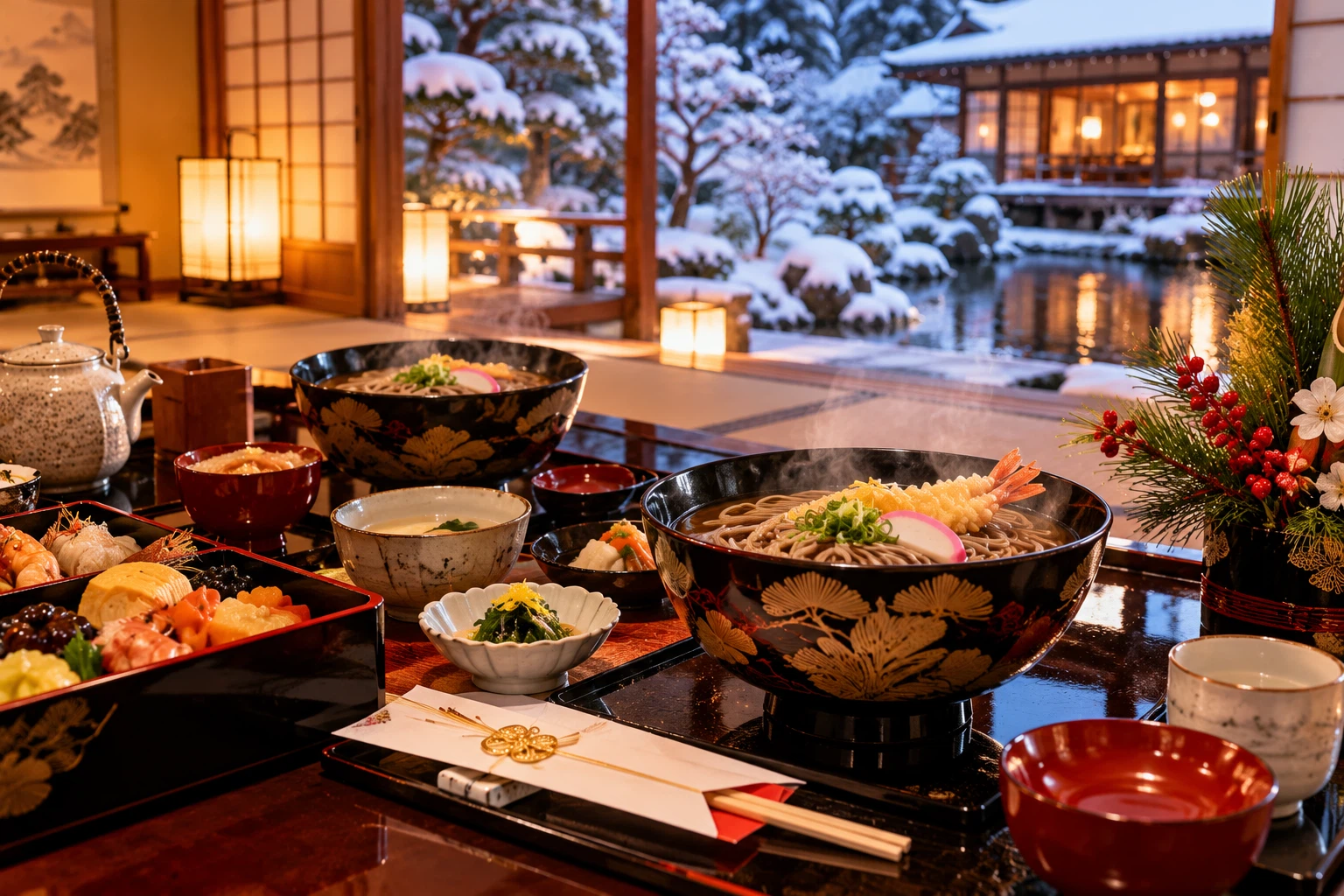
Some hotels and ryokan offer toshikoshi soba.
If you're visiting Japan during the New Year period, it's a good idea to check if your accommodation offers special services like "New Year's Eve Soba."
3. Welcoming the New Year by Listening to Joya no Kane
In Japanese temples, the "Joya no Kane" (New Year's Eve bells) are rung on the night of Omisoka.
Many temples are known for ringing the bell 108 times.
The number "108" has a Buddhist origin, said to represent the number of worldly desires or defilements that humans possess.
Reflecting on the year while listening to the sound of the bells and welcoming the new year.
This is one of the symbolic cultural practices of Omisoka in Japan.
However, not all temples allow general visitors to ring the bell.
If you wish to experience the joya no kane firsthand, it is recommended to check the temple's official information in advance.
4. Watching the "Hatsuhinode" (First Sunrise) on January 1st
Symbolizing the beginning of a new year is the "Hatsuhinode" (first sunrise).
There is a tradition of watching the sun rise on New Year's Day morning and wishing for health and happiness throughout the year.
There are many famous spots for hatsuhinode across the country, such as coastlines, mountains, and observation decks.
In Tokyo, you can enjoy the first sunrise from around Tokyo Bay or from high-rise hotels.
Furthermore, around Mount Fuji, you can enjoy a special view combining Mount Fuji with the first sunrise.
As early morning travel may be required, it is important to plan your accommodation and transportation in advance.
5. When it Comes to Japanese New Year, It's "Hatsumode"
After January 1st, many Japanese people visit shrines and temples.
This is called "Hatsumode."
During hatsumode, people pray for health, happiness, success in work, and family safety for the new year.
For international travelers, it's a highly recommended activity to experience Japanese culture up close.
What You Can Experience During Hatsumode
At shrines, you can experience:
- Passing through a torii gate
- Purifying yourself at a temizuya (water purification pavilion)
- Offering a monetary donation (osaisen)
- Offering prayers
- Drawing an omikuji (fortune slip)
- Choosing an omamori (charm/amulet)
and more.
Many Japanese shrines are places where architecture, nature, and religious culture are integrated, offering a charm that goes beyond mere tourist spots.
In Tokyo, Meiji Jingu Shrine is a representative hatsumode spot, while in Kyoto, Fushimi Inari Taisha Shrine and Yasaka Shrine are popular choices.
However, particularly famous shrines become extremely crowded for several days starting January 1st, so if you wish to make a quiet visit, it's important to choose your time and location carefully.
6. Savoring "Osechi," Traditional New Year's Cuisine
One of the indispensable elements of Japanese New Year is osechi ryori.
Various dishes such as kuromame (black beans), kazunoko (herring roe), shrimp, tazukuri (candied sardines), and kohaku kamaboko (red and white fish cake) are beautifully arranged in tiered lacquer boxes (jubako).
Osechi ryori is more than just a feast.
Each dish carries wishes such as:
- For good health
- For longevity
- For a prosperous year
- For family prosperity
and more.
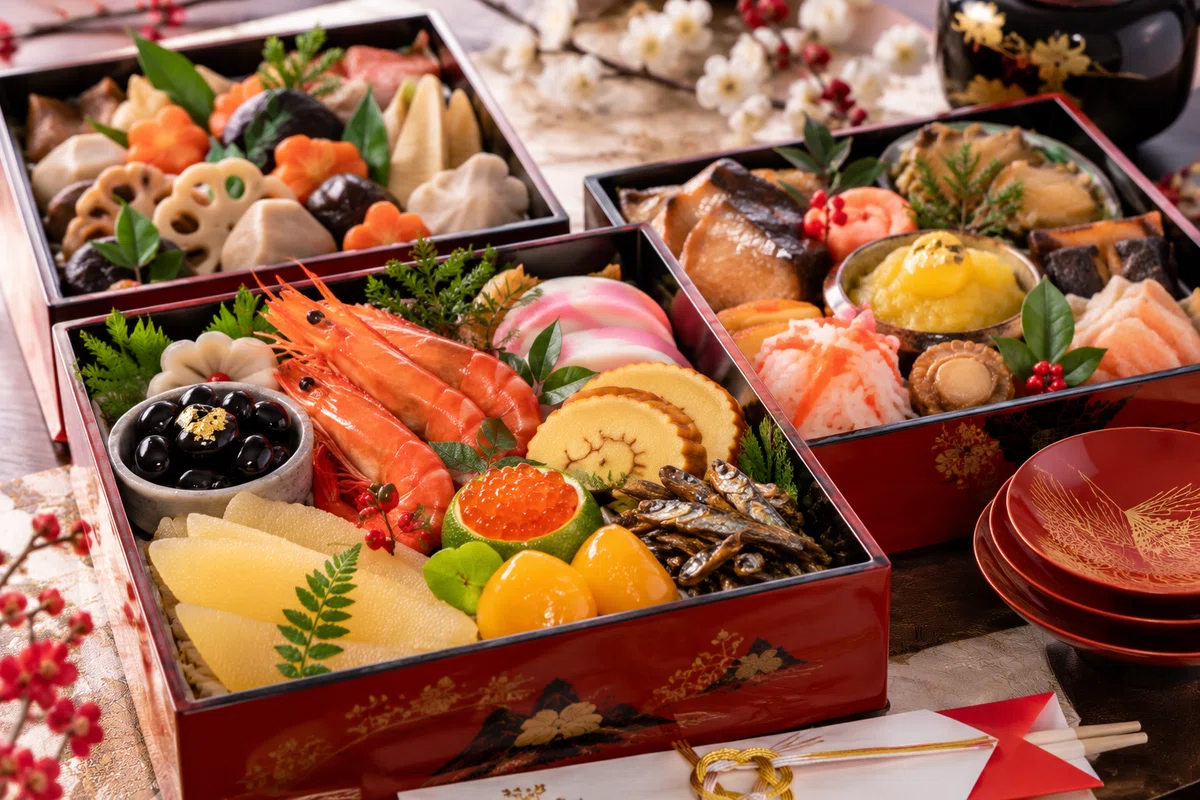
For example, kuromame (black beans) carry a wish for good health, kazunoko (herring roe) for fertility and prosperity of descendants, and shrimp for longevity.
For visitors from overseas, it's not just about "eating the food," but also an opportunity to learn about the Japanese culture behind it.
Luxury hotels and ryokan may also offer special osechi or New Year's dishes available only during the New Year period.
7. Spending Japanese New Year at a Snowy Onsen Ryokan
For those who wish to welcome the New Year leisurely, enjoying meals and hot springs without packing in too much travel or sightseeing, a stay at an onsen ryokan is highly recommended.
If you choose an inn with dinner and breakfast included, you can avoid adding more plans for dining out. If you desire New Year's dishes like osechi, be sure to check the details of the accommodation plan.
Especially in snowy regions, you can experience:
- Snowy landscapes
- Hot springs
- Japanese-style rooms
- Kaiseki cuisine
- New Year's dishes
a truly Japanese winter journey all at once.
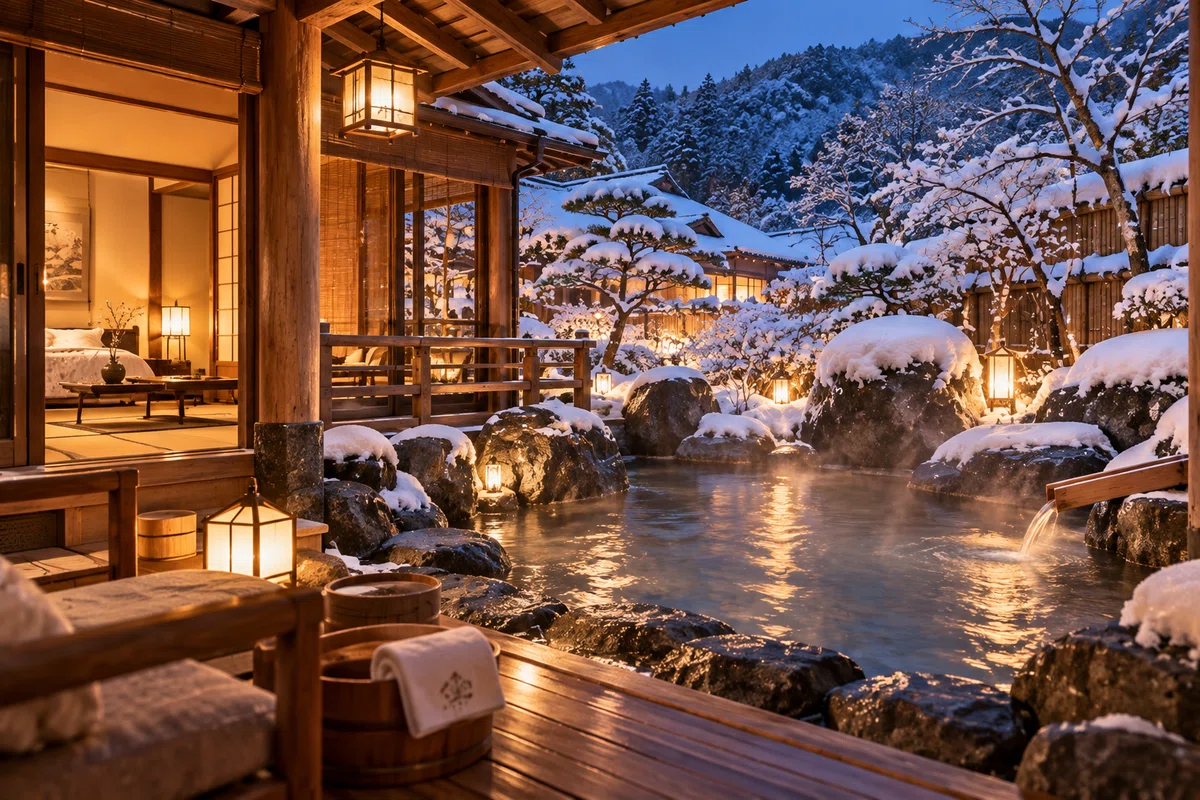
At an onsen ryokan, you can change into a yukata (light kimono), soak in the hot springs, and savor seasonal cuisine at a relaxed pace.
It's a time to escape the hustle and bustle of daily life and experience Japanese "omotenashi" (hospitality).
In particular, places like:
- Hakone
- Kusatsu
- Nozawa Onsen
- Yufuin
- Kurokawa Onsen
- Kinosaki Onsen
are also attractive as winter travel destinations.
However, popular onsen ryokan can be very difficult to book during the New Year period.
Once your travel dates are decided, it is recommended to book as early as possible.
8. Welcoming the New Year at a Ski Resort
For those who want to enjoy an active New Year, a ski resort is also a great option.
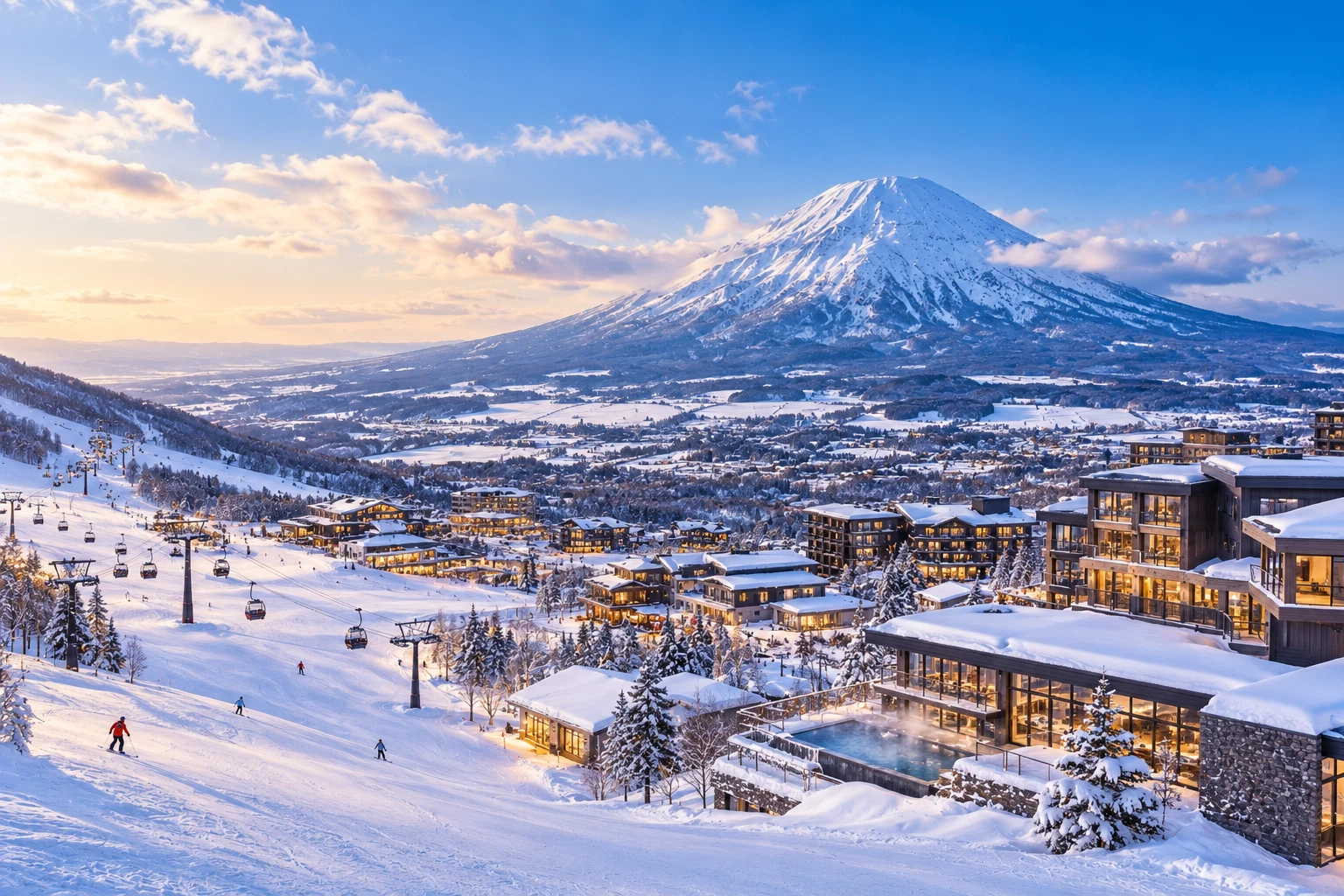
Japan boasts many ski resorts, such as:
- Niseko
- Rusutsu
- Hakuba
- Nozawa Onsen
- Shiga Kogen
- Zao
and more.
Enjoy skiing or snowboarding during the day, onsen in the evening, and Japanese cuisine at night.
Furthermore, countdowns and New Year's events unique to the season may also be held.
Even if you have companions who don't ski, combining onsen, snowshoeing, snowy landscapes, spas, and restaurants can create a trip enjoyable for everyone.
9. Spending New Year's in Tokyo
In Tokyo, Japan's capital, you can combine traditional culture with modern urban experiences.
For example, a plan could include:
Omisoka (New Year's Eve)
- Dinner at a luxury hotel
- Toshikoshi soba
- Experiencing joya no kane at a temple or shrine
Ganjitsu (New Year's Day)
- Osechi ryori at the hotel
- Hatsumode
- Tokyo sightseeing and shopping
- Dinner at a luxury restaurant in the evening
is also conceivable.
Tokyo boasts not only historic shrines and temples but also a wealth of luxury hotels, Michelin-starred restaurants, bars, and shopping areas.
The appeal lies in being able to enjoy "traditional Japan" and "modern Tokyo" in a single trip.
10. Spending New Year's in Kyoto
For those who wish to experience Japanese culture more deeply, spending New Year's in Kyoto is also recommended.
Kyoto is home to numerous temples and shrines, which are enveloped in a special atmosphere during the New Year period.
Visiting a temple on Omisoka and listening to the joya no kane.
Making a hatsumode visit to a shrine on New Year's Day.
And savoring Kyoto cuisine or osechi ryori.
You can welcome the New Year amidst Kyoto's unique historic townscapes.
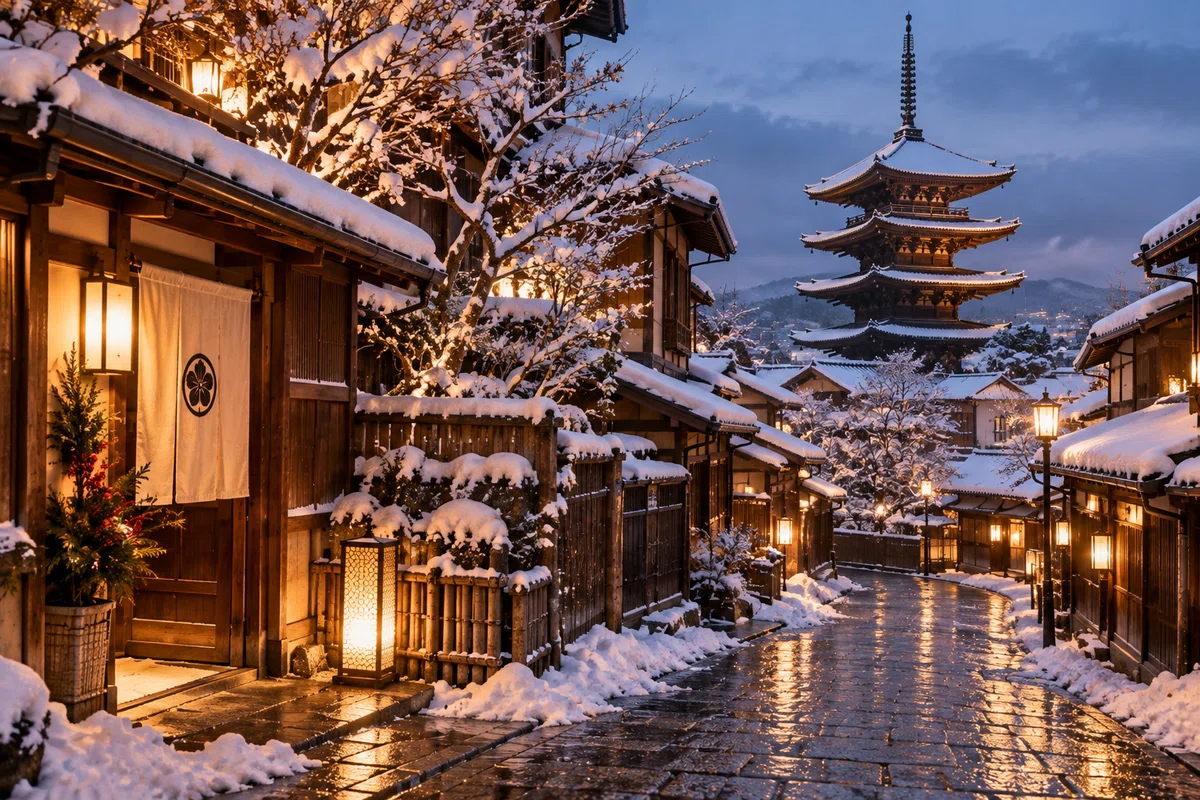
However, Kyoto also becomes very crowded during the New Year period, so it's important to plan an itinerary that considers travel time and visiting hours, rather than just packing in popular spots.
11. Things to Note for New Year's Travel in Japan
While Japan's New Year period is appealing, there are also points that international travelers should be aware of.
① Shops and Restaurants May Be Closed
In Japan, some restaurants and shops close for the New Year holidays.
If you assume "it'll be fine to find a place on the day" as you might for a regular trip, you might find it difficult to find dining options.
Especially on December 31st, January 1st, and January 2nd, business hours may differ from usual.
It's best to confirm before your trip.
② Public Transportation Gets Crowded
During the New Year period, there's a concentration of people returning to their hometowns and domestic travelers.
Shinkansen bullet trains and domestic flights, in particular, tend to be crowded, so if your travel is decided, early booking is recommended.
③ Popular Hotels Book Up Quickly
Niseko, Hakuba, Hakone, Kyoto, and similar destinations become extremely popular during the New Year period.
Especially for luxury hotels and high-end ryokan, options are limited, so it's crucial to decide your travel dates early.
④ Hatsumode Can Be More Crowded Than Expected
At famous shrines, many worshippers visit right after the New Year begins.
If you desire a quiet visit, you can try avoiding peak hours or choosing a relatively less crowded shrine.
12. A Journey to Welcome the New Year "Like a Local Japanese"
The charm of New Year's travel in Japan isn't just about visiting tourist attractions.
- Eating toshikoshi soba
- Listening to joya no kane
- Watching the hatsuhinode
- Going for hatsumode
- Savoring osechi ryori
- Soaking in an onsen
- Admiring snowy landscapes
Through each of these experiences, you can feel the "turning point of the year" that Japanese people have cherished.
For international visitors, Japan's New Year period offers a special opportunity to touch upon "Japanese daily life and culture" that is rarely seen during regular sightseeing.
Conclusion | Welcoming the New Year in Japan
Japan during the New Year period holds a special charm unlike any other time.
Enjoy a modern countdown and hatsumode in Tokyo.
Welcome the New Year in Kyoto while immersing yourself in traditional culture.
Spend peaceful time at a snowy onsen ryokan.
Enjoy skiing in Niseko or Hakuba.
And savor uniquely Japanese food culture, such as osechi ryori and toshikoshi soba.
Common to all these ways of spending the time is the uniquely Japanese culture of "welcoming the new year with reverence."
Experience a Uniquely Japanese New Year's Trip with Yumelia
At Yumelia, we propose itineraries that combine accommodation, dining, and transportation tailored to your desired New Year's experience. We plan considering facility operating days and reservation statuses, so please inform us of your planned travel dates, number of people, and what you would like to experience.
Let us transform your New Year's in Japan from a mere sightseeing trip into a special, lifelong memory.
This winter, why not experience a uniquely Japanese New Year?
Reference Information
- Japan National Tourism Organization (JNTO)
- Ministry of Agriculture, Forestry and Fisheries
- Official information from various shrines, temples, and local governments
- Official information from various accommodations and transportation providers
Please note that business hours, transportation schedules, event statuses, and visiting hours during the New Year period may change. Please check the official websites for the latest information before your trip.
Images are AI-generated.