
Unique Japanese Gastronomic Experiences for Business Entertainment and Special Hospitality
Hello! This time, 's', who has an unyielding love for Japanese cuisine, will introduce the latest Japanese dishes that delight international guests. When welcoming important international guests, many find themselves wondering, 'Where should I take them to ensure they have a delightful experience?'
While Japan boasts a culinary culture renowned worldwide, what truly captivates international visitors is not merely 'delicious food,' but dining experiences that offer a unique taste of Japanese culture and tradition.
In fact, many foreign visitors come to Japan specifically for its food. Beyond sushi and wagyu, the live cooking experience right before their eyes and the hospitality service are also highly praised. Popular dishes among foreign visitors include sushi, wagyu, sukiyaki, tempura, and ramen, which consistently rank high. (Ministry of Agriculture, Forestry and Fisheries)
Sushi: A Surefire Hit
If you're introducing Japanese cuisine to international guests, sushi is undeniably a classic choice. The style of a chef preparing each piece of sushi individually at a counter, in particular, offers a special opportunity to experience Japanese culture firsthand.
While sushi is widely known overseas, a great many travelers feel that 'sushi eaten in Japan was exceptional,' and it is cited as the most satisfying genre among dishes consumed in Japan. (Nippon) Yumelia's Instagram also introduces recommended sushi restaurants, so be sure to check it out! 🎵
Wagyu: Rapidly Rising in Popularity Worldwide
In recent years, wagyu beef has seen a surge in global popularity, driven by social media and videos. The marbled meat that melts in your mouth is a rarity overseas, and
Teppanyaki
Yakiniku
Steak
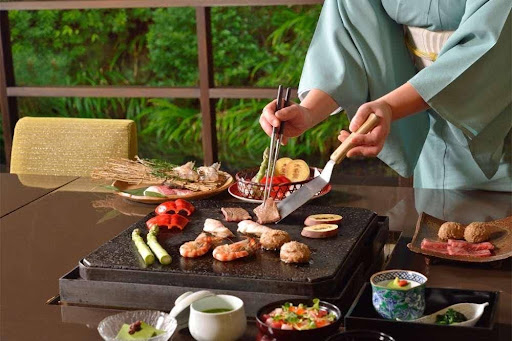
are highly appreciated genres for business entertainment. Teppanyaki, where a chef cooks right before your eyes, is popular not only as a meal but also as 'entertainment.' Sukiyaki and Shabu-shabu: A Taste of Japan The culture of enjoying a meal together around a hot pot is a novel experience for many international guests.
If the restaurant staff explains how to eat it, even first-timers can feel at ease. Sukiyaki, especially when made with high-grade wagyu,
pairing with sake the style of dipping it in egg seasonal ingredients
is popular as a dish that allows one to experience Japanese culture.
Tempura: 'Moving Because of Its Simplicity'
While tempura might be associated with fried food overseas, Japanese tempura is characterized by its light texture. At specialty restaurants where each piece is fried fresh and served at the counter, many exclaim, 'I've never had such light fried food before,' making it one of the dishes that allows guests to appreciate Japanese craftsmanship. (Ministry of Agriculture, Forestry and Fisheries)
Recently, 'Unagi' (Eel) is Also Rapidly Gaining Popularity
While sushi and ramen were previously the main attractions, in recent years, unagi (eel) specialty restaurants have also been drawing attention from international guests. The sight of eel being grilled fragrantly over charcoal and the opportunity to enjoy a unique Japanese food culture have made it a popular genre on restaurant reservation services catering to inbound tourists.
What International Guests Seek is an 'Experience'
In recent travel trends, there's a growing emphasis not just on 'eating,' but on experiences that can only be savored in that specific place. For example, sushi restaurants where you can enjoy conversation with the chef teppanyaki's live performance Irori (hearth) cuisine Kaiseki cuisine while gazing at a Japanese garden hospitality at a historic ryotei (traditional Japanese restaurant)
Restaurants that allow guests to feel Japanese culture, such as these, create special memories.
Here, I'd like to introduce some personally recommended restaurants at Chinzanso. The Option of 'Hotel Chinzanso Tokyo' Hotel Chinzanso Tokyo is one of Japan's leading luxury hotels, frequently used for entertaining international VIPs and corporate guests. With its vast Japanese garden showcasing seasonal beauty and a selection of restaurants offering traditional Japanese cuisine, it is highly regarded for providing 'quintessentially Japanese experiences' to international guests.
1. Japanese Restaurant 'Miyuki'
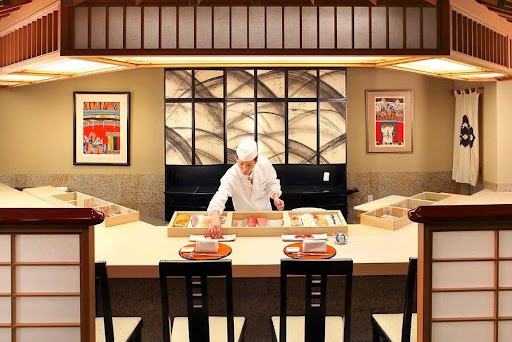
If you're bringing international guests, the first place I'd recommend is the Japanese restaurant 'Miyuki'. In a serene space overlooking the garden, you can enjoy
Kaiseki cuisine
Sushi
Teppanyaki
Tempura
a range of Japan's representative dishes all at once.
Particularly popular are the teppanyaki, where the chef cooks right before your eyes, and the sushi counter, where you can enjoy conversation with the chef. Guests can experience not only the food but also the unique "live atmosphere" and craftsmanship of Japan, earning high praise from international visitors. Private rooms are also available, making it ideal for business entertainment and meetings.
2. Ryotei 'Kinsui'
Ryotei 'Kinsui,' a Sukiya-style restaurant nestled within the garden, offers a special space where you can experience Japanese culture itself. While savoring authentic Kaiseki cuisine made with seasonal ingredients, you can enjoy the Japanese garden Japanese-style rooms seasonal scenery Japanese hospitality all at once. When welcoming international VIPs or executive-level guests, it is highly recommended as a restaurant that truly allows them to feel "Japaneseness."
3. Stone Grill Cuisine 'Mokushundo'
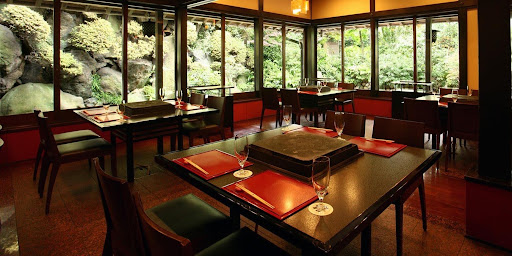
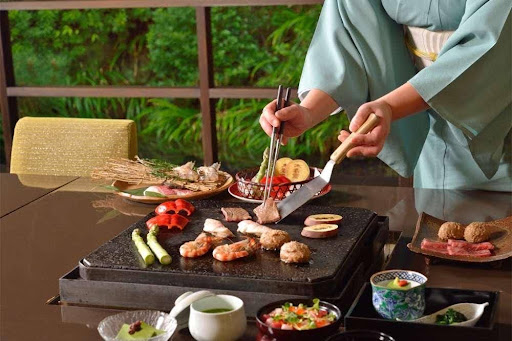
If you wish to enjoy a slightly unusual Japanese cuisine, Stone Grill Cuisine 'Mokushundo' is also recommended. The style of grilling meat, fish, and seasonal vegetables on heated stones is rare overseas and is popular as a 'unique Japanese dining experience.' The charming space, a renovation of a historic building, is also an attraction, and can be enjoyed in conjunction with a stroll through the garden.
For Business Entertainment, Private Rooms Offer Peace of Mind
When welcoming international guests for business, selecting the right space is as important as the cuisine itself. Restaurants with private rooms are highly valued by international VIPs and corporate guests for reasons such as: allowing for calm conversation ensuring privacy providing a sense of Japanese hospitality
Conclusion
When entertaining international guests, while 'delicious food' is certainly important, 'unique Japanese experiences' significantly influence their satisfaction. In addition to classic dishes like sushi, wagyu, sukiyaki, and tempura, allowing guests to experience the chef's skill, a quintessentially Japanese ambiance, and heartfelt service will make their stay in Japan even more special.
When planning a meal or business entertainment with important guests, why not consider choosing a restaurant that offers not just a 'meal' but also 'time to enjoy Japanese culture'?